Avoid rust on your car's brakes - you can do this yourself
Rust on brake discs can reduce braking performance and increase the risk of accidents. Read how to prevent rust and maintain the brakes on your car.
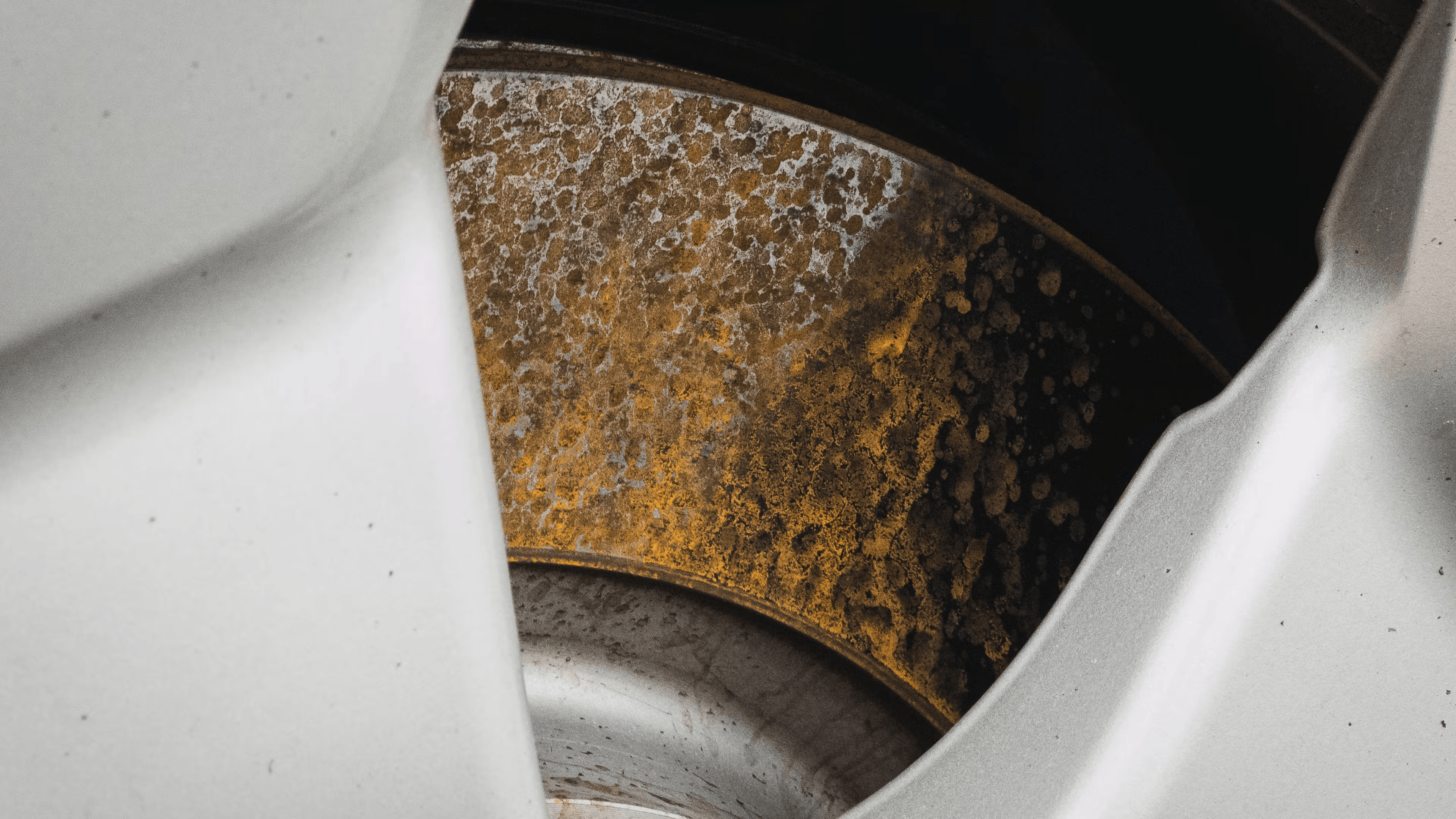
This is why rust occurs on the brakes
When brake discs come into contact with water and air, an oxidation process begins that creates rust. The risk of rust therefore increases, especially in the fall and winter, when there is a lot of moisture outside due to rain, snow, slush and road salt.
Lack of regular use of the brakes can also cause rust to develop more quickly. Cars that are driven shorter distances or are not used very often are therefore somewhat more susceptible.
Electric cars are more susceptible to rust on brake discs
Whether you drive a car that runs on electricity, petrol or diesel, your brakes are susceptible to rust. Electric cars are however somewhat more susceptible as they use regeneration, where the car's electric motor is used to slow the car and recover energy. This means that the mechanical brakes are used less than on fossil-fuelled cars, which gives rust a greater chance of forming on the brake discs.
Therefore, it is extra important for electric car owners to be aware of measures that can prevent rust, such as braking hard in safe environments from time to time.
How to avoid rust on your car's brakes
There are several measures you can take yourself to prevent rust on your car's brakes:
- Brake hard once in a while in a safe environment
- Keep your car clean
- Check the brakes regularly
- Follow your car's service schedule
Brake hard once in a while in a safe environment
By braking hard from time to time, excess dirt, road salt and rust are worn away from the brake discs. This should be done more often during the winter months when the brakes are most vulnerable. Remember to do this on a safe and clear road.
Keep your car clean
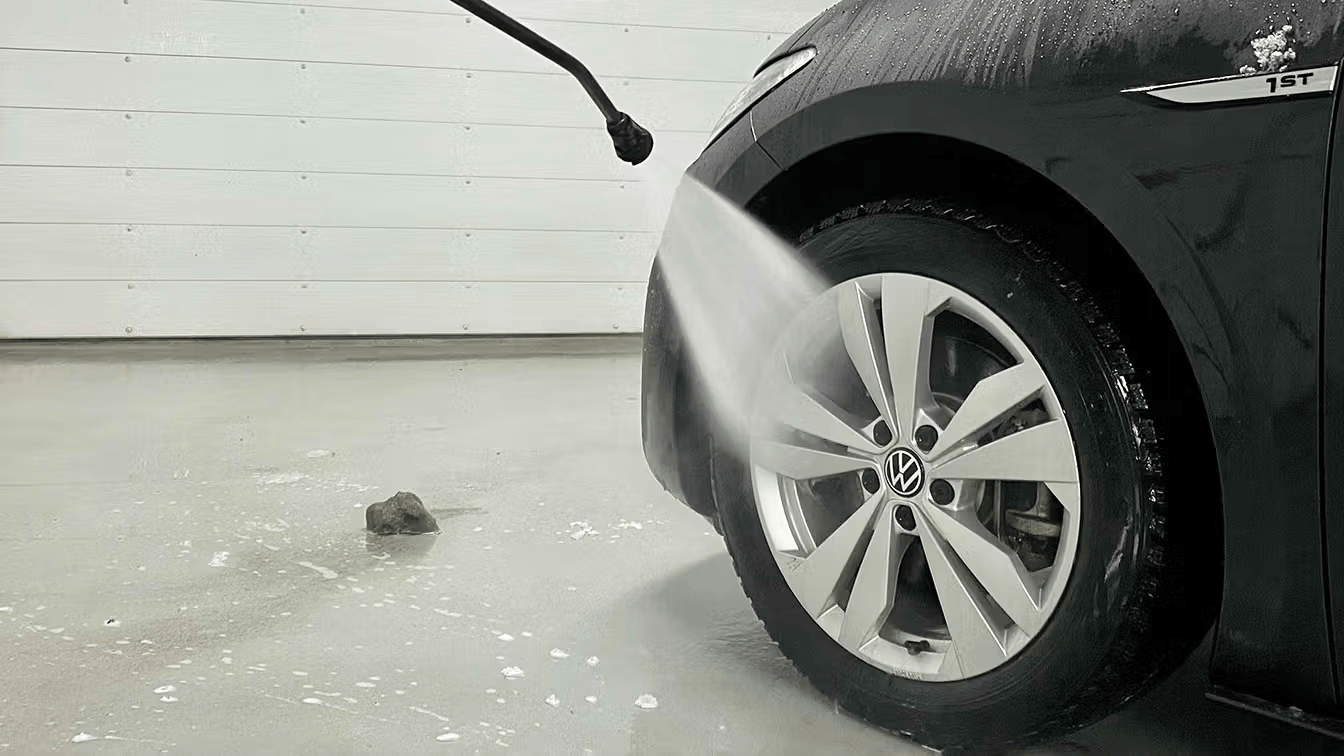
Washing your car regularly, including the brakes, helps reduce the amount of dirt and salt that can lead to rust. This is especially true in winter, when road salt builds up on your car. Rinse around the wheels and brake discs extra well. It is best to wash your car indoors if the temperature outside is low, as the cold can cause seals and other components to freeze.
After a thorough wash and rinse, it is a good idea to take a drive to warm up the brakes. This ensures that excess water dries away from the brake discs, reducing the risk of rust.
Check your brakes regularly
It is a good idea to inspect the brakes on your car at regular intervals. This will allow you to detect any incipient rust deposits early, so you can take action before the rust sets in. If you see a brown film on the brake discs, you can try braking hard to remove it. If the rust deposits do not disappear, contact a workshop.
Follow your car's service schedule
When your car is serviced , the workshop will check the brake discs and brake pads for rust and wear. This provides an extra level of assurance that your brakes are in good condition.
How much rust can there be before it becomes a problem?
A little rust on the brake discs is normal, especially after the car has been sitting unused overnight or for a few days. This type of rust can often be removed by gently braking while driving, as the friction between the brake pads and the brake discs will wear away the rust.
Rust can reduce your car's ability to brake effectively. This can increase your stopping distance and potentially lead to accidents, especially in difficult driving conditions. If the rust does not go away with normal use, or if you notice vibrations, scraping noises, or reduced braking power, you should have your brakes checked by a workshop to avoid major problems.
Avoid mistakes during EU inspections
Checking the brakes is a separate point of the EU inspection (point 1.1.14) which deals with brake drums and brake discs. Rust is among the most common defects that lead to remarks for electric cars as a result of lack of use of the brakes. To avoid remarks in connection with the EU inspection, it is therefore advisable to ensure that the brakes are actively used at regular intervals.
In general, it is important to check your brake discs regularly and pay attention to rust that looks thicker than normal surface oxidation.
Is the rust coating on your brakes not coming off? Contact one of our workshops.
Related articles
See all Articles
All about electric cars
20-mars-2026Electric car tips! How to save electricity on your electric car when it's cold
During the winter, many people notice that their electric car's range is reduced. However, there are several measures you can take to reduce your electric car's power consumption. Here are our best tips for optimizing your electric car's range when it's cold!
Take care of the car
17-mars-2026Washing a car in sub-zero temperatures
In winter, it is especially important to wash your car often, as external influences such as snow, dirt, slush and road salt make your car susceptible to wear and tear on the paintwork. By washing and rinsing your car regularly, you prevent rust damage and the paintwork will last longer.
Take care of the car
10-mars-2026This is why you should check the wheel alignment of your car.
Correct wheel alignment provides better handling, increased safety and reduced costs. Here's how to know when you should have your wheel alignment checked.